


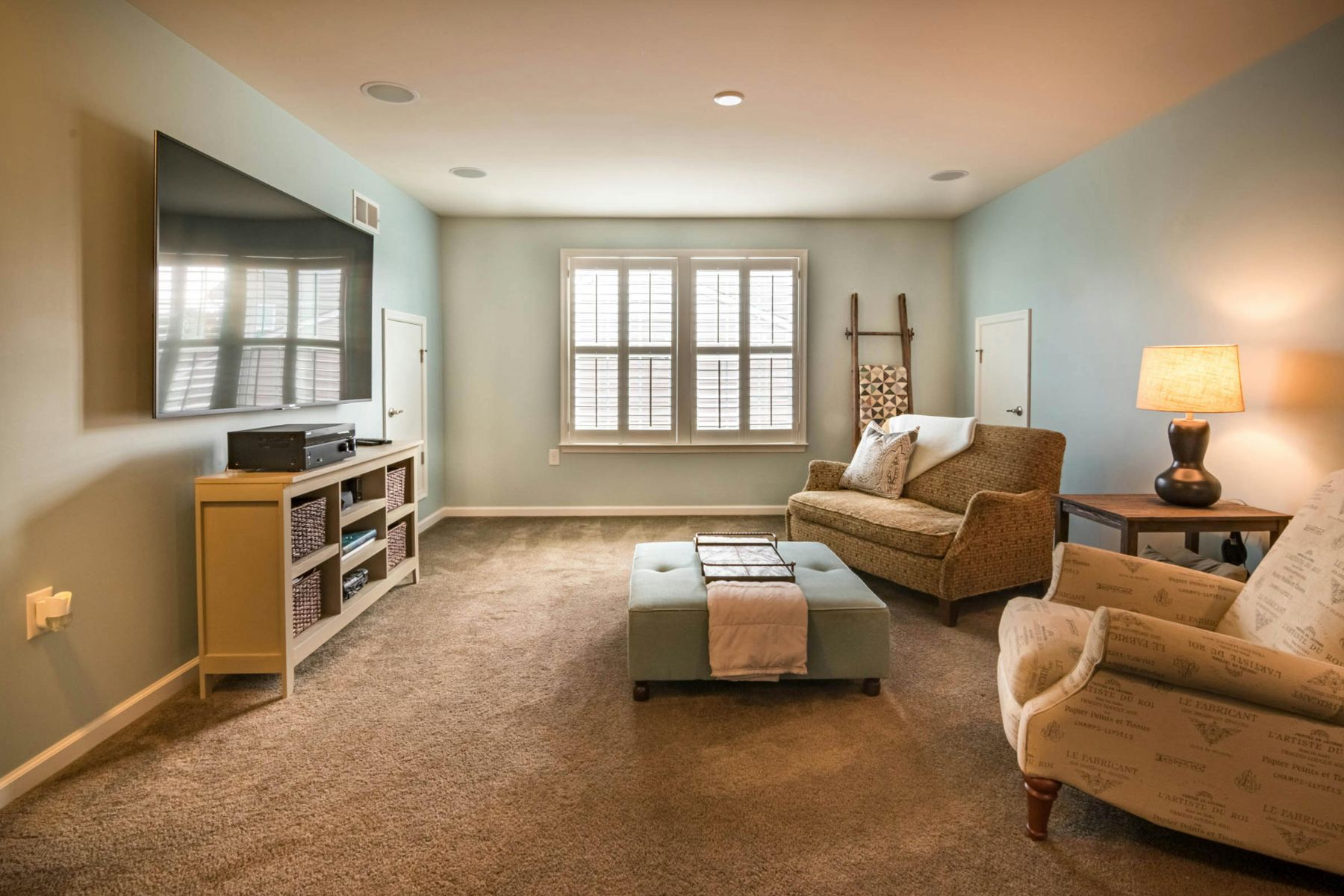
Carpet does a lot for a home. It softens sound, adds warmth, and makes rooms feel finished. But heavy furniture? That’s the trade-off. Over time, couches, beds, dressers, and dining tables can leave deep dents that make your carpet look worn long before it actually is.
We’ve seen this hundreds of times over the years. The good news? Most carpet indentations are not permanent. With the right technique (and a little patience), you can often restore the fibers and bring your carpet back to life without replacing it.
Below, we’ll walk you through proven ways to remove furniture indentations from carpet, when DIY methods work best, and when it’s time to call in a professional.
What causes furniture indentations in carpet
Furniture indentations happen when weight compresses carpet fibers and padding over time. The longer the furniture sits in one place, the deeper those fibers get pushed down.
Several factors make indentations worse:
Heavy furniture with narrow legs
Furniture that hasn’t been moved in years
Thicker, plush carpet styles
Lower-quality carpet padding
High indoor humidity or dryness
Carpet fibers are designed to bounce back, but they need help once they’ve been flattened for months or years.
Why carpet indentations aren’t always permanent
This is important to understand: most carpet dents are not damage. They’re compression.
If the fibers aren’t broken or torn, they usually can recover. Think of it like bedhead. The carpet fibers just need moisture, heat, or agitation to stand back up again.
That’s why many homeowners are surprised at how effective simple fixes can be.
Start by removing the furniture
Before you try any method, move the furniture completely off the carpeted area. This gives the fibers room to respond.
If the furniture is extremely heavy:
Slide it carefully using furniture sliders
Avoid dragging legs directly across the carpet
Don’t rush, as slow movement prevents fiber tearing
Once the weight is gone, let the carpet sit for 30–60 minutes. Sometimes, that alone allows minor dents to relax slightly before you even touch them.
Use ice cubes to lift carpet fibers
This is one of the most reliable DIY methods, especially for deeper indentations.
Here’s how we recommend doing it:
Place one ice cube directly in each indentation
Let the ice melt completely (usually 2–6 hours)
Blot excess moisture with a towel
Gently lift fibers with a spoon, coin, or your fingers
Allow the carpet to fully dry
As the ice melts, the water penetrates the fibers and padding, helping them expand back to their original shape.
This method works best on synthetic carpets like nylon or polyester, which are common in most homes in our area.
Try steam from an iron or garment steamer
Heat can relax compressed fibers quickly, but it has to be done carefully.
To use steam safely:
Set a steam iron to medium heat (no direct contact)
Hold it several inches above the carpet
Release steam onto the dented area for 10–15 seconds
Fluff the fibers gently with a spoon or soft brush
Let the area dry completely before walking on it
Never place a hot iron directly on carpet. That can melt fibers instantly. Steam only. A handheld garment steamer works even better and gives you more control.
Use a damp towel and a warm iron
If you don’t have a steamer, this method can work in a pinch.
Steps to follow:
Lightly dampen a clean towel
Place it over the indentation
Hover a warm iron over the towel for 15–20 seconds
Remove the towel and lift fibers gently
Allow the carpet to dry
Again, the towel acts as protection. Direct heat on carpet is never safe.
Brush and vacuum the area
Sometimes the simplest tools do the job.
After using moisture or steam:
Use a stiff spoon edge or carpet brush to lift fibers
Vacuum slowly in multiple directions
Repeat once the carpet is dry
Vacuuming helps realign fibers and prevents them from drying flat again.
When indentations won’t come out
Not all carpet dents are fixable with DIY methods.
You may be dealing with:
Permanently crushed fibers
Worn or low-quality carpet padding
Furniture that sat in the same spot for decades
If the fibers feel brittle, frayed, or thin, the issue may be wear, not compression. This is when professional assessment matters.
How professionals fix stubborn carpet indentations
Professional solutions may include:
Power stretching to redistribute tension
Padding replacement in targeted areas
Deep steam treatments
Carpet repair or partial replacement
Often, homeowners think they need new carpet when a repair is all that’s required.
How to prevent future furniture indentations
Once your carpet is restored, prevention is key.
We recommend:
Using furniture coasters or cups under heavy legs
Choosing wider furniture feet when possible
Rearranging furniture every 6–12 months
Rotating area rugs to redistribute pressure
Installing quality carpet padding from the start
Carpet padding matters more than most people realize. It absorbs weight before it reaches the carpet fibers.
Contact our carpet shop in Sachse, TX
Carpet performance is affected by climate, home construction, and daily wear. Homes in North Texas deal with heat, humidity shifts, and heavy family use, all of which impact carpet recovery.
As a small, family-owned business that’s been operating for more than 49 years, we don’t give generic advice. We give real-world solutions based on what actually works in local homes.
Ted's Floor & Decor is here for you if you have any flooring questions. We're proud to offer a wide selection of high-quality carpets for sale, as well as additional products. Our carpet shop in Sachse, TX, serves the following areas: Sachse, Garland, Wylie, Murphy, Plano, Richardson, Rockwall, St. Paul, Mesquite, Carrollton, Farmers Branch, Addison, and Frisco, TX.


